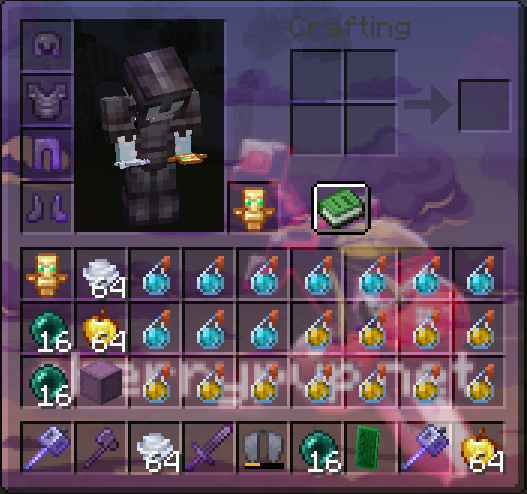
Mace PvP is about converting vertical setups into one decisive hit. The weapon itself matters, but the real skill is route planning, swap timing, spacing on the drop and knowing when a setup is actually safe to commit.
Drop setupsAttribute swapElytra routes
Mace PvP is really a setup weapon
The mace becomes dangerous when you can create fall height, keep the opponent in a bad line and arrive on the hit without telegraphing the exact timing too early. Good Mace PvP is less about random jumping and more about route control, spacing and choosing the drop that the opponent cannot answer cleanly.
That is why strong mace players usually look patient before the commit. They are reading terrain, cooldown windows, pearls, totems, wind-charge movement and whether the target can sidestep or force a bad landing.
Why attribute swap works
Attribute swap works because the game checks your live held-item state and active attributes when the hit actually connects, not when the fall started. That means players can build the drop with a different utility item out, then swap back to the mace just before impact so the mace hit still gets the correct damage and bonus value.
The important part is timing, not panic speed. If you swap too early, the route becomes easier to read. If you swap too late, you lose the actual conversion. In real fights, attribute swap is mostly about making the setup smoother and harder to predict, not about doing flashy inventory tricks for no reason.
Elytra mace setups are about pathing, not only height
Elytra mace gives you a controlled way to build vertical momentum, drift onto new angles and threaten a drop that would be hard to set up from pure ground movement. The mistake newer players make is treating Elytra mace like free damage. It still needs clean pathing, enough room to recover and a landing line that does not hand the opponent an easy sidestep.
Use Elytra routes to attack from awkward angles, not only to go straight up and hope.
Think about where you land after the swing if the hit does not instantly end the trade.
Do not overcommit into obvious glide patterns when pearls, ranged pressure or knockback can force a bad drop.
The best Elytra mace players make the route look late and unreadable. They do not show the entire plan five seconds before impact.
Typical Mace PvP kits support mobility and recovery first
Most mace kits are built around the same logic: one lethal drop is strong, but the round is usually decided by how often you can rebuild pressure after the first commit. That is why pearls, totems, utility mobility and fast recovery matter so much around the weapon itself.
Totems buy room for aggressive commits that would otherwise be too risky.
Pearls fix bad spacing, rebuild height routes and punish opponents who overreact to the drop.
Wind charges or movement utility help create awkward vertical lines and fast repositions.
Gapples and support items matter because not every setup ends the fight immediately.
Good Mace PvP looks explosive, but the real consistency comes from kit discipline, route planning and recovering cleanly after each attempt.